
Writing
“You can make anything by writing.”
CS Lewis
Oracy
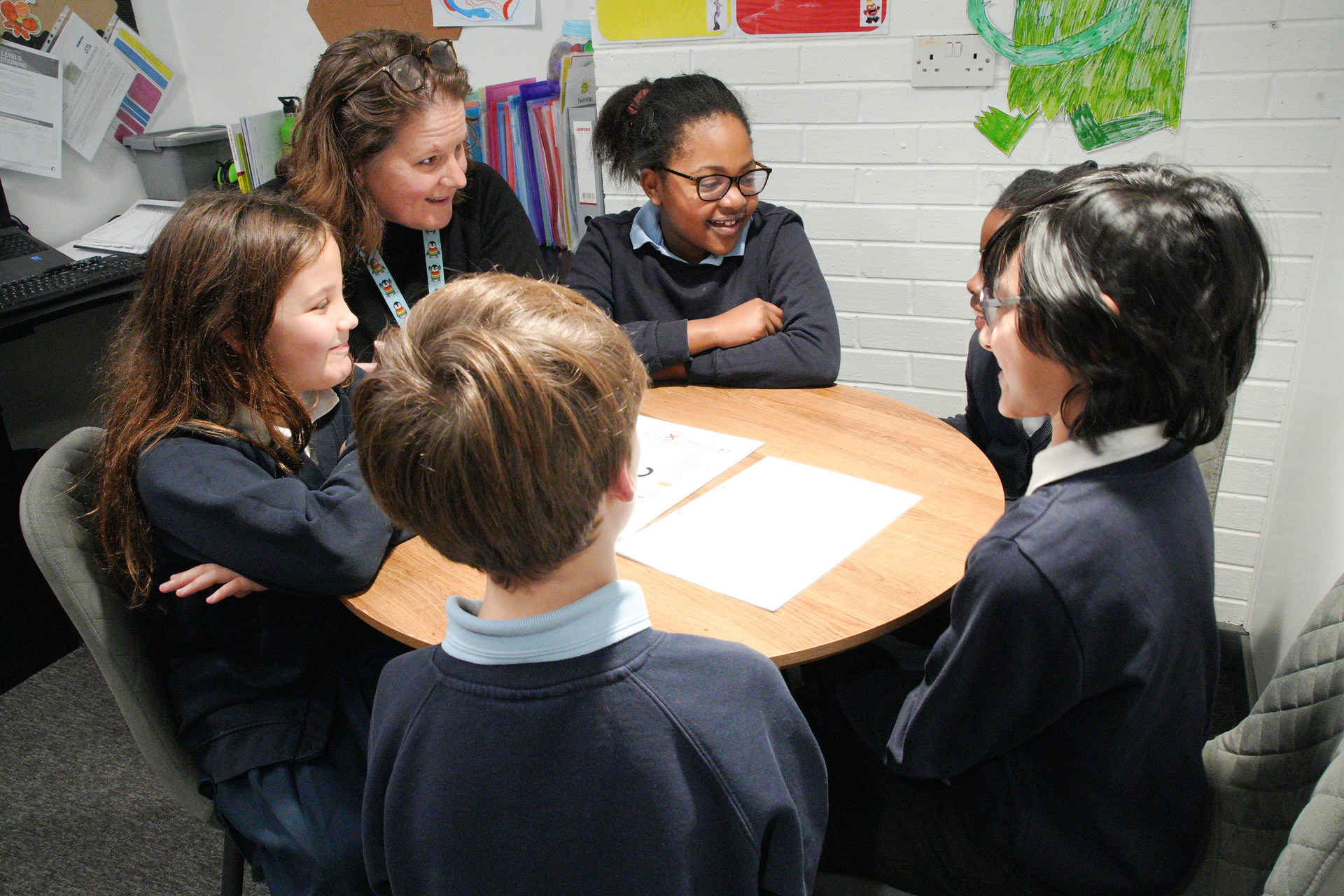
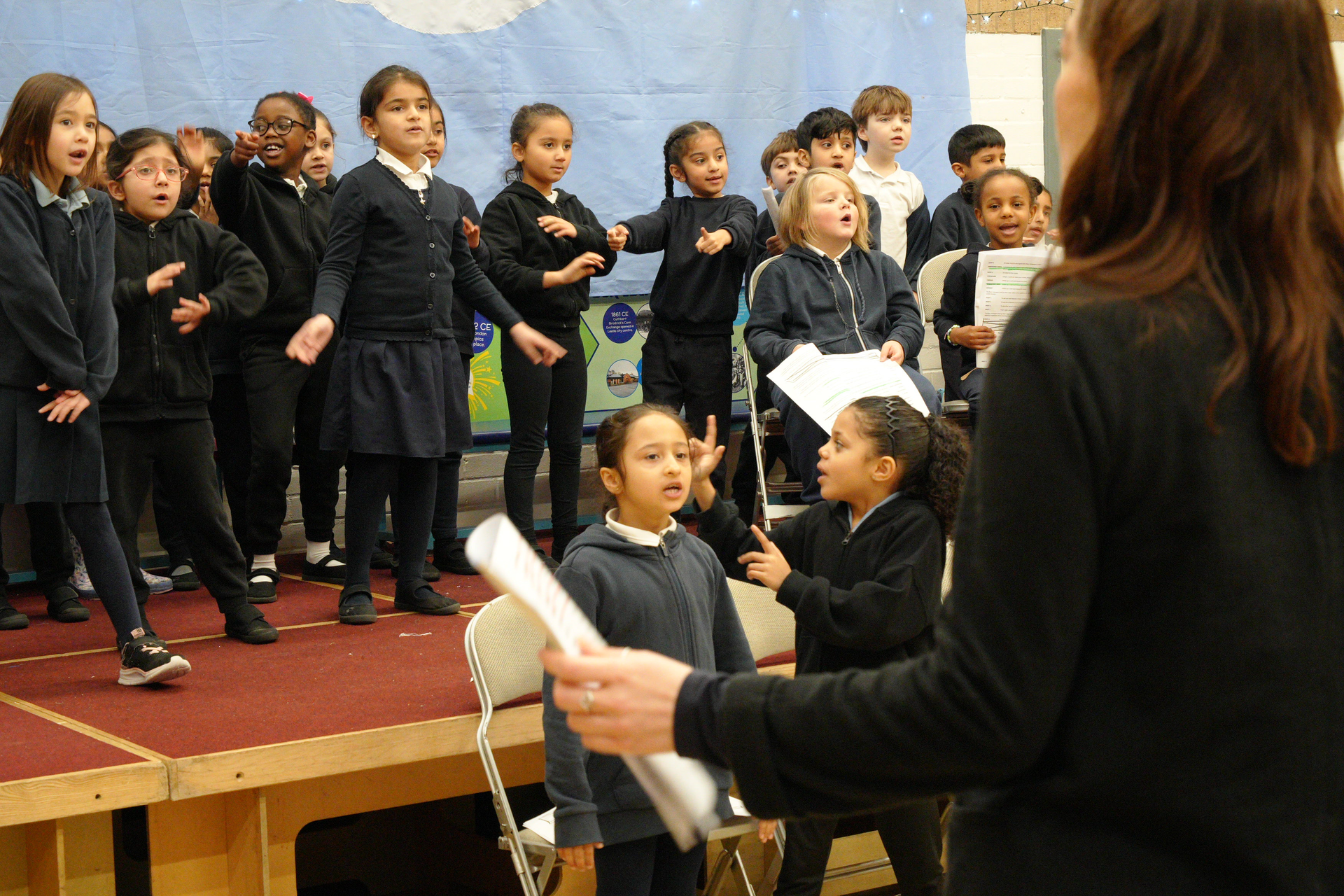
Oracy refers to the ability to communicate effectively through speech. It involves using language to express thoughts, ideas, and feelings, and to interact with others in a way that is clear, coherent, and appropriate. At Kerr Mackie, we recognise the huge importance oracy plays in supporting children to become effective communicators and writers.
To ensure that there is a cohesive progression of oracy skills, we have created a progression document, based on the 'Voice 21' resources for schools. Please click the image below to view our progression of oracy of skills.

Progression in transcription
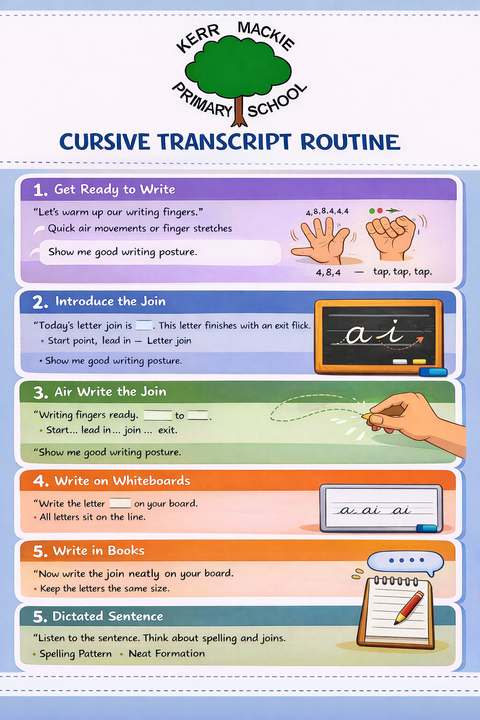
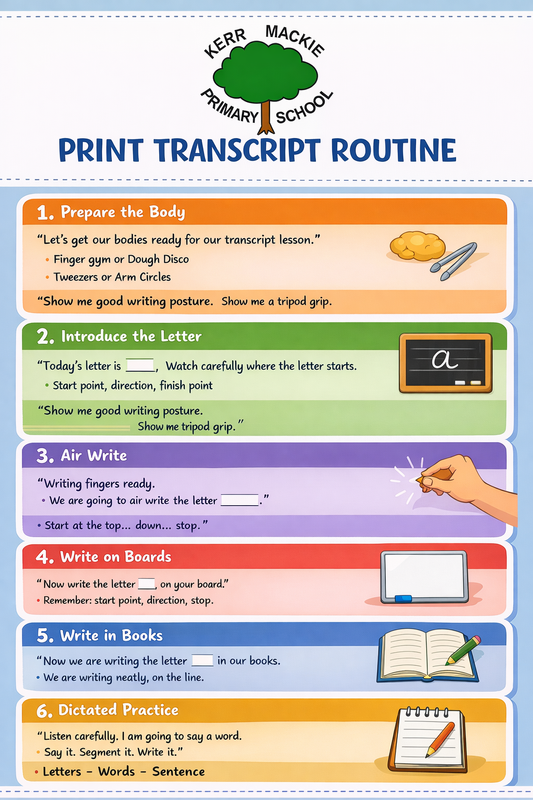
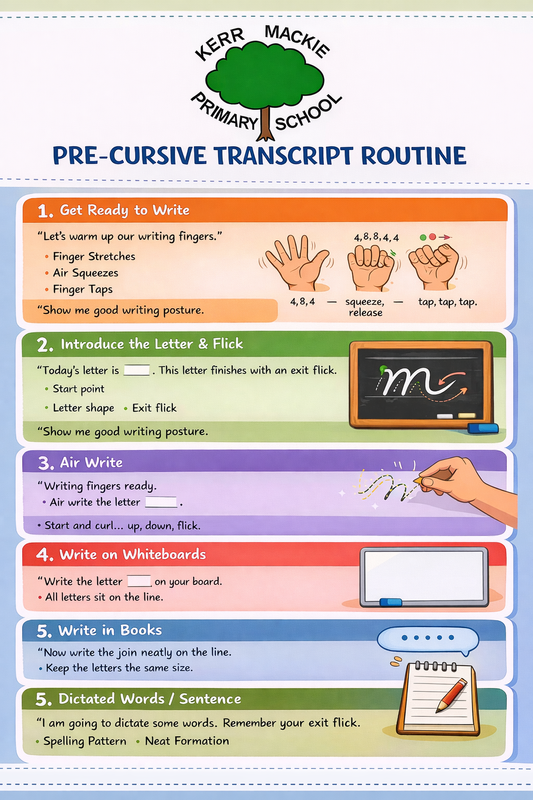
From Tuesday to Friday every class has a transcription lesson. We have a very clear routine that our children know well. We start with our gross and fine motor warm up activities, we then use air writing to help us understand the rhyme for our letter formation. Then, we move onto practising our join on our whiteboards before on day 1 applying it to handwriting lines and on day 2 applying it to our books. At the end of every trasncription session we will then complete a dictation task based on our weekly speelings.
- Nursery focuses on mark making.
- Reception focuses on pencil grip and initial letter formation.
- Year 1 perfect letter formation, including lead-ins.
- Year 2 once letter size and formation is consistent, many Year 2 pupils will learn their initial joins.
- Year 3 and 4 continue to be taught to join.
- Year 5 and 6 refine their handwriting, by developing legibility, speed and stamina. Pupils whose handwriting is under-developed will be sent additional homework to help them catch-up.â¯
Kerr Mackie Writing Sequence
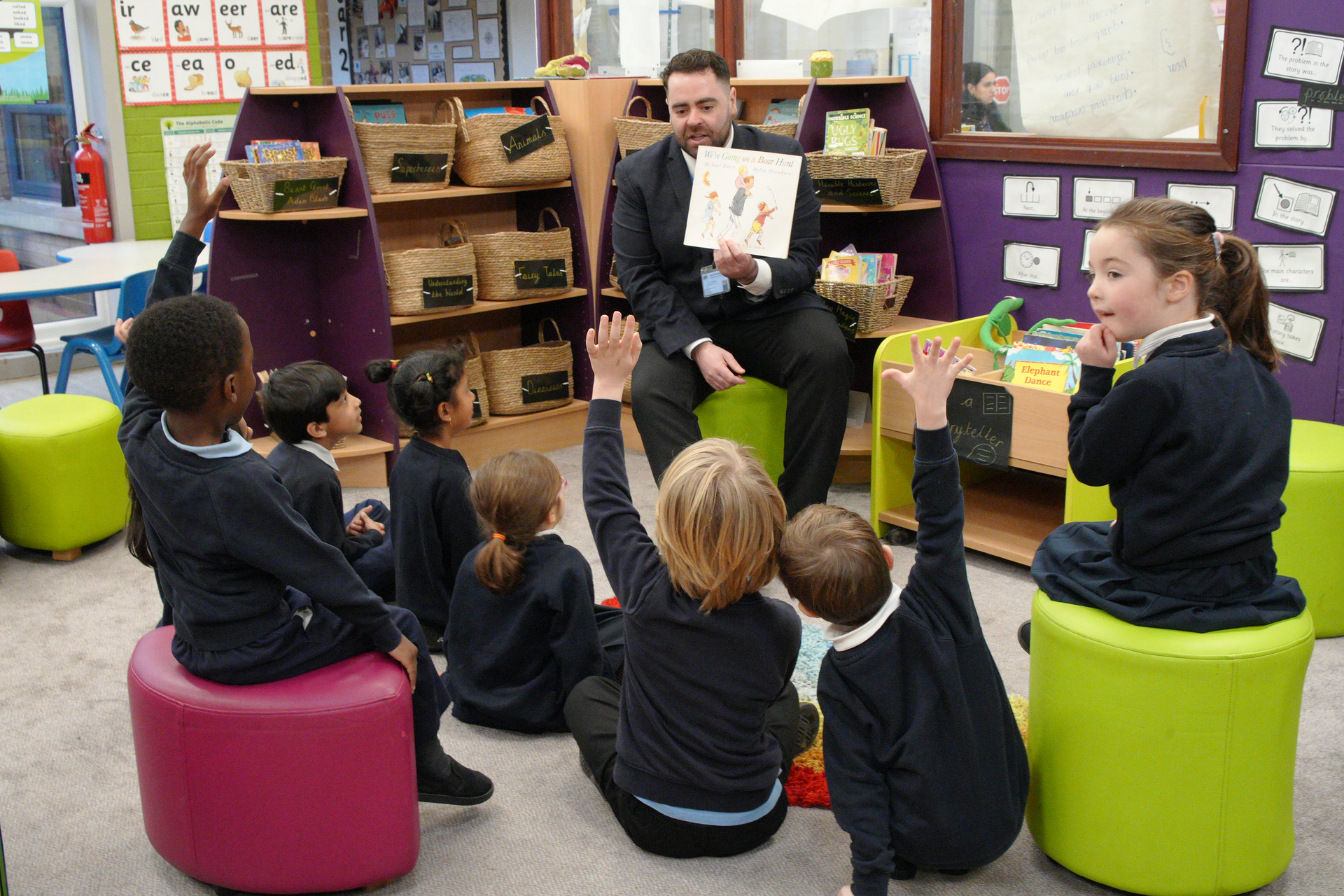
In order to ensure that all pupils receive an effective writing 'diet', each class follows a 3 week writing sequence. This sequence aligns with 3 of our C's: Curiosity, Confidence and Challenge. During the writing sequence, pupils are exposed to high quality age-appropriate texts, examine a model text of the genre called a WAGOLL (what a good one looks like) and engage with oracy lessons throughout to ensure that they practice the skills required.
Please click the image below to view our writing sequence for Key Stage One and Key Stage Two

Spelling
Every Monday, our weekly spellings are introduced. In these sessions we will focus on the morphology, orthography and the etymology of our words. We will then practise them using a range of activities and using them within our transcription sessions.
As part of the new National Curriculum children are expected to learn compulsory lists of spellings. Through learning spelling rules and by looking at word meanings, it is expected that all children will be able to spell these words by the time they leave KS2.
In addition there are two sets of high frequency words which are taught in KS1. By the beginning of Year 3 all children should be able to spell the words on these lists.
These words can be viewed by clicking on the images below.
 |
 |
 |
 |
- Children enjoy their Writing lessons and talk positively about their progress in their learning.
- Children of all abilities can talk confidently about story ideas.
- Children are more resilient when writing and creating ideas.
- Children make good progress throughout school and can reach their full potential in Writing.
- Children develop a greater understanding of different parts of speech and how they can be best utilised in different areas of Writing.
.